Introduction to Common Casino Myths
Casino myths have been an intriguing part of gambling culture for ages, embedding themselves in the perceptions of players globally. These misconceptions are frequently transmitted between generations, bolstered by stories, misinterpretations, and occasionally hopeful thinking. Even with the advancements in casino technology and gaming integrity, numerous player beliefs persist strongly, influencing how people engage with their experiences on the casino floor or through online platforms.
A key factor in the persistence of casino myths is their emotional resonance. Gamblers frequently seek out patterns or hidden tactics that claim to enhance their odds of winning or prevent losses. This psychological inclination can cause gambling fallacies to become deeply entrenched, as they appear to provide a sense of control in an unpredictable environment. Sadly, these misconceptions can result in unrealistic expectations and detrimental behaviors when players rely on erroneous beliefs instead of genuine casino information.
In addition, the communal aspect of gambling settings promotes the spread of casino myths. Gamblers frequently exchange advice and anecdotes while at physical casinos or through online platforms and social media related to gambling. Although this sharing of knowledge is interactive and social, it can unintentionally spread inaccuracies rather than accurate information. Consequently, numerous players end up making choices based on misleading or outdated data that does not reflect the actual workings of casino games.
The influence of these persistent player beliefs is considerable. For novice gamblers, casino myths can create barriers to grasping the actual odds and risks associated with gambling. Seasoned players may succumb to the urge to recover losses or misunderstand random results, fueled by distrust in the casino or false notions about game equity. In the end, this can impact their entire gambling experience, possibly resulting in frustration, financial loss, and a reduced pleasure in the games.
By identifying and confronting prevalent casino misconceptions, players can arm themselves with truthful information and achievable expectations. Grasping the distinction between reality and myth in gambling enables individuals to make educated choices, oversee their finances sensibly, and partake in their gaming experiences more responsibly. This article seeks to clarify the ten most common casino myths that many players still accept as truth, assisting in dispelling the confusion surrounding these inaccuracies and fostering a more positive gambling atmosphere.
4. The “Hot Slot” Myth

A commonly debunked myth in the casino world is the idea of “hot” or “cold” slots. Numerous gamblers believe that specific slot machines are “due” for significant payouts after a period of inactivity, or that a machine is hot if it’s been paying out often. This misunderstanding drives players to pursue machines they think will boost their odds of winning, but the truth is far from that.
Misconceptions about slot machines in casinos stem from a basic lack of understanding regarding their functionality. Contemporary slots utilize Random Number Generators (RNGs) to guarantee that each spin is entirely separate from the last. Consequently, any perceived “hot” or “cold” streaks are merely coincidental and do not influence future outcomes. No physical machine retains a record of its past spins, and it is impossible to forecast when a slot will next deliver a payout.
Numerous bettors succumb to this misconception, believing they can use gambling insights to gain an edge by choosing when to play. In reality, every spin represents an independent occurrence, and previous results have no bearing on what happens next. This serves as a prime instance where dispelling myths is crucial; the faith in hot slots might lead to more reckless wagering without enhancing your chances.
Additionally, casinos design these RNG systems to ensure total fairness and adherence to gaming regulations, guaranteeing that every player has an equal opportunity to win with each game. This underscores the significance of acknowledging and comprehending the realities of gambling, as opposed to the widespread casino myths that have been disproven over the years.
In summary, avoid allowing casino myths such as the “hot slot” fallacy to influence your gaming. Instead, prioritize enjoying the experience in a responsible manner and understand that your odds are dictated by luck rather than the past performance of machines. Acknowledging these misconceptions and depending on accurate information is essential for making educated choices and having a good time without unrealistic hopes.
Myth 1: The Casino Always Has a Secret Edge
A common misconception about casino myths is that casinos possess hidden advantages or deceive players to secure their earnings. Although it is accurate that casinos operate as profit-driven enterprises, the truth is clearer than this belief implies. The primary method by which casinos ensure their profitability is through the casino edge, often referred to as the house advantage.
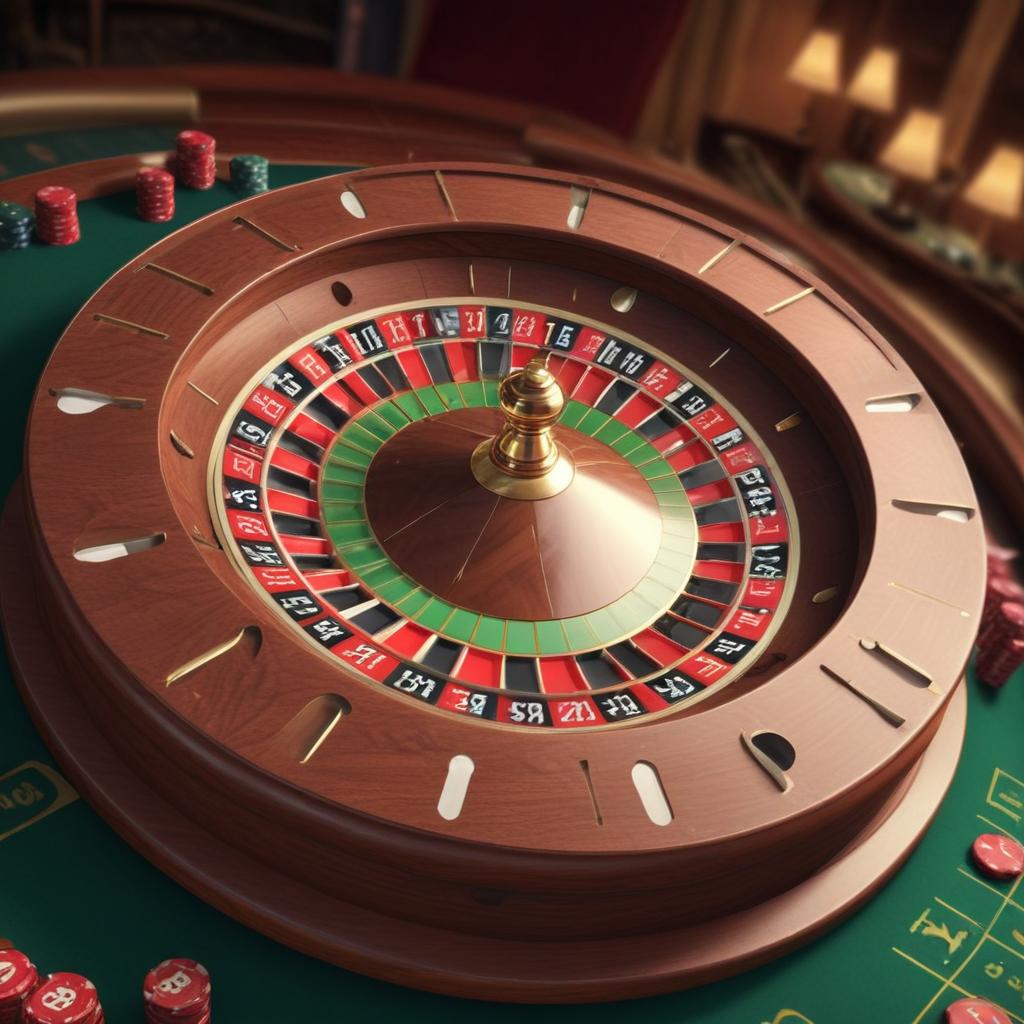
The house edge is a calculated advantage inherent in every game provided by the casino. It indicates the typical percentage of each wager that the casino anticipates retaining over time. For instance, a roulette game could feature a house edge of approximately 5%, signifying that across numerous spins, the casino expects to keep 5% of all funds bet on that game. This advantage guarantees the casino’s profitability while still giving players opportunities to win in the short term.
Unlike the belief that casinos manipulate games or deceive players, all trustworthy casinos operate under regulations and are closely monitored. They employ certified random number generators (RNGs) to ensure fairness and randomness. The reality of gambling is that whether you win or lose in a casino largely hinges on luck and probability, rather than hidden tricks.
Grasping the concept of the house advantage enables players to engage responsibly and clarifies numerous misconceptions about casinos. This advantage is not some concealed mystery; rather, it is an open aspect of the gaming experience that guarantees casinos can thrive while providing equitable opportunities for enjoyment in gambling activities.
Myth 2: Slot Machines Are Due for a Win
A prevalent myth in casinos is the notion that slot machines are “due for a win” following a streak of losses. This belief implies that after several unsuccessful spins, the machine is statistically obligated to provide a payout soon. Nevertheless, this concept is misleading and does not accurately reflect the mechanics of how slot machines function.
Slot machines operate with a Random Number Generator (RNG), a computer algorithm that perpetually produces numbers, even when the machine remains idle. These random numbers dictate the result of each spin, guaranteeing that each spin is autonomous and unforeseen. Since the RNG creates thousands of outcomes each second, no spin is affected by its predecessors, rendering the idea of being “due for a win” meaningless.
The unpredictability offered by the RNG indicates that previous losses do not influence future results. Every spin represents a separate occurrence with its unique chance of winning. This ensures fairness and categorizes slot machines as games of chance, rather than games where patterns or streaks determine outcomes. Grasping this fundamental concept aids players in steering clear of misunderstandings and engaging with slot machines under realistic expectations.
Myth 3: Dealers Can Control the Outcome of the Game
A common misconception about gambling is the idea that casino dealers can influence game outcomes. Numerous players think that dealers have the ability to adjust cards or change results to benefit the casino. In reality, this is not the case—casino dealers mainly act as facilitators, tasked with dealing cards, overseeing chips, and ensuring the game runs smoothly. Their job is to promote fair play and compliance with the rules, rather than deciding the winners and losers.
In contemporary casinos, the systems for game control are implemented to eliminate any chance of dealer manipulation. Games such as blackjack and poker are monitored closely by cameras and security staff. Moreover, numerous casinos utilize automatic shuffling devices or random number generators (RNGs) for their digital or electronic games to ensure fairness. These mechanisms make certain that results are determined solely by luck and predefined regulations, rather than by the dealer’s actions.
Casino dealers work within strict guidelines and undergo frequent inspections by external agencies. Their activities are carefully observed to ensure fairness and integrity in gambling. Any efforts to deceive or alter games can tarnish a casino’s image and lead to harsh repercussions, such as dismissal and legal action. Recognizing these regulations helps clarify the misconception that dealers have excessive control over the games and gives players confidence that the gaming setting is equitable and open.
How Understanding Casino Myths Enhances Your Gameplay

In the realm of gambling, numerous players hold onto myths and misunderstandings that may obstruct their capacity to enhance their gameplay. By identifying and rejecting these prevalent casino myths, you can embrace tried-and-true casino tips and strategies that enable you to play more intelligently and with greater assurance. Grasping the distinction between reality and illusion empowers you to tackle each game with informed insight, thereby improving your overall gambling journey.
A major advantage of debunking myths is the formation of practical expectations. Casinos operate based on chance and probability rather than luck or superstition. By letting go of baseless concepts like “hot streaks” or “due wins,” you can concentrate on understanding the game’s mechanics and making choices informed by actual data. This change in perspective fosters a more deliberate approach to gaming, prioritizing skill and strategy over random guessing.
Furthermore, grasping the reality of casino misconceptions fosters responsible gambling practices. Numerous players find themselves ensnared in typical pitfalls, convinced that they can influence results through specific rituals or trends, frequently leading to the pursuit of losses and excessive spending. By identifying these myths, you enhance your awareness of the risks involved and establish limits that safeguard your funds. Engaging in responsible gambling entails understanding when to cease play and how to control your bets, which are crucial skills for sustained enjoyment and financial security.
Enhancing your understanding of gambling enables you to apply effective casino strategies that boost your likelihood of winning. Rather than depending on unverified tactics, knowledgeable players make use of game regulations, odds, and RTP (Return to Player) rates to develop successful methods. This targeted way of acquiring and using knowledge allows you to play more intelligently, reducing losses while increasing the enjoyment of your casino experience.
Ultimately, dispelling casino myths is essential for evolving into a more proficient and accountable gambler. It provides you with the understanding needed to create improved strategies, handle your bankroll effectively, and participate in the games with a focused mindset. By cultivating a richer understanding of gambling, you enhance your gameplay and help ensure a safer and more enjoyable experience each time you enter the casino.
Making Smarter Betting Decisions
Grasping and dispelling prevalent casino myths is crucial for players aiming to implement sound betting strategies and participate in intelligent gambling. Numerous myths foster unrealistic expectations and misunderstandings, prompting players to make unwise decisions or take unwarranted risks. By recognizing the influence of these casino myths, players can redirect their attention to logical decision-making instead of depending on chance or misguided beliefs.
Intelligent gambling starts with player knowledge, which means understanding the truths about how casino games operate and the odds at play. For instance, the misconception that specific machines are “due” for a payout can lead players to raise their bets unreasonably, whereas grasping the concept of random number generation helps prevent this mindset. When players recognize these misconceptions, they can more effectively handle their bankroll and choose betting strategies grounded in reason rather than superstition.
Additionally, dispelling myths aids in lowering the emotional and financial hazards often linked to gambling. Gamblers who depend on accurate information instead of misconceptions are less inclined to pursue losses or be deceived by false systems that claim assured victory. This increased awareness among players encourages a more responsible gambling attitude, enabling people to appreciate casino entertainment while reducing negative outcomes.
In the end, overcoming the limitations of casino myths allows players to make more informed betting choices. It fosters a mindset based on understanding, analytical thinking, and strategy—an essential method for any dedicated gambler looking to improve their experience and protect their investments in the casino setting.
Promoting Responsible Gambling
Clarifying prevalent casino misconceptions is essential for fostering responsible gambling and motivating players to adopt healthier gambling practices. Numerous myths foster unrealistic beliefs and confusion regarding game mechanics, potentially resulting in misguided choices and a heightened risk of gambling issues. By increasing awareness of these myths, players can more effectively discern between truth and falsehood, aiding them in steering clear of gambling addiction.
When individuals grasp the realities of gambling, they can set more achievable goals and boundaries. This fosters healthier gambling practices, including creating budgets, knowing when to quit, and reaching out for assistance when necessary. Advocating for responsible gambling through myth-busting education not only safeguards individual players but also benefits the wider community by decreasing occurrences of compulsive gambling tendencies.
In the end, the foundation of responsible gambling is rooted in understanding and self-reflection. By dispelling common casino misconceptions, gamers can partake in gaming as an enjoyable and entertaining pursuit without succumbing to the pitfalls of addiction. Promoting awareness of these myths is a crucial measure in fostering a more secure gambling atmosphere for everyone, emphasizing that gambling must always be undertaken with care and accountability.

I’ve been exploring online casinos for years, always on the lookout for the best bonuses and hidden gems. Writing reviews and guides lets me share the strategies I’ve honed and help fellow players make smarter choices.