Introduction to the Iconic WSOP Hand: Stu Ungar vs Doyle Brunson
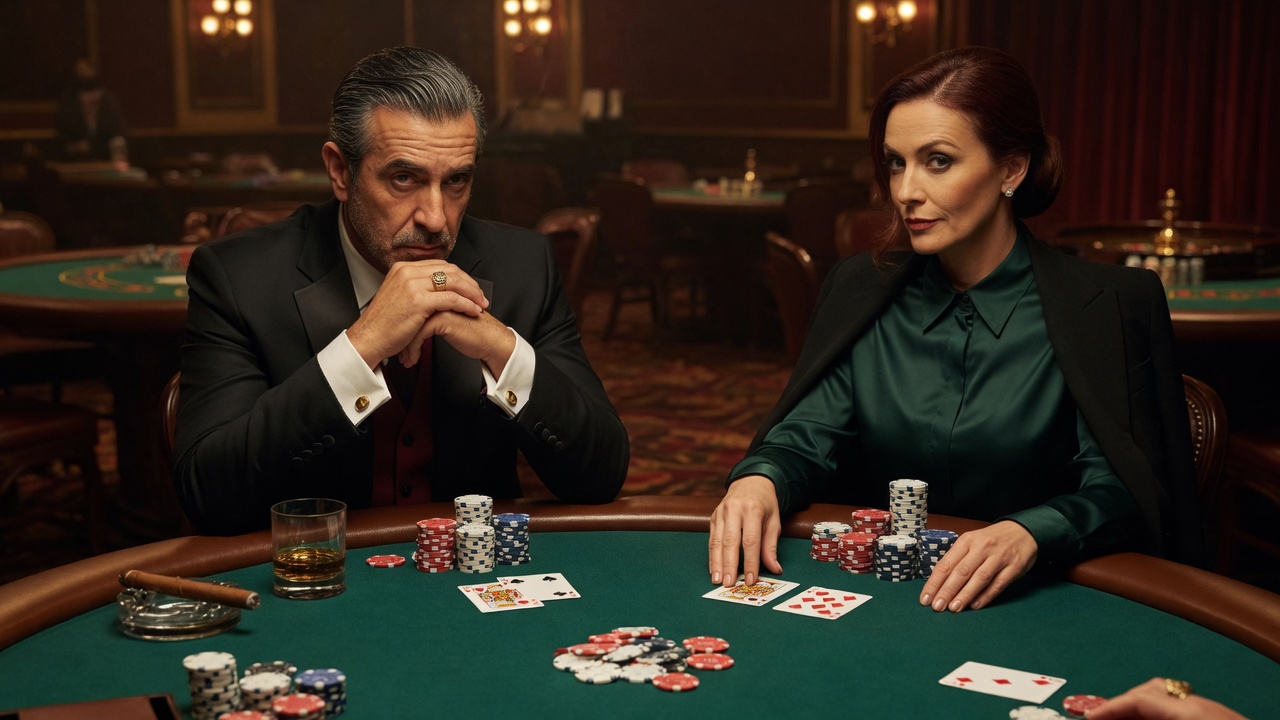
The World Series of Poker (WSOP) is a legendary stage where some of the most unforgettable poker moments have unfolded, and among these are the iconic hands that have shaped the history of the game. One such moment that stands out is the epic confrontation between two of poker’s greatest legends – Stu Ungar and Doyle Brunson. This hand is not merely a clash of cards but a defining chapter in the saga of WSOP iconic hands that has left an indelible mark on poker history.
Stu Ungar, often hailed as one of the greatest natural talents in poker history, was known for his aggressive play and uncanny ability to read his opponents. Doyle Brunson, a poker pioneer and two-time WSOP Main Event champion, brought to the table decades of experience and an intimidating presence. The encounter between these two giants is celebrated both for the high stakes involved and for the sheer brilliance each player exhibited during the hand.
This particular WSOP hand encapsulates the very essence of competitive poker – skill, intuition, and nerve. It showcased not only the talents of Ungar and Brunson but also illustrated the broader impact of such historic moments on poker culture. The hand has become a symbol of the strategic depth and drama that defines the WSOP, inspiring countless players and fans alike.
Beyond the cards, the Ungar vs. Brunson hand is revered for its contribution to the narrative of poker as more than just a game of chance, highlighting the evolving strategies and mental fortitude required to excel at the World Series of Poker. It remains a benchmark for what is possible at the table, reminding players and enthusiasts why best paying online casinos represent the ultimate proving ground for gaming success.
Background of Stu Ungar and Doyle Brunson
Stu Ungar and Doyle Brunson are two of the most iconic poker legends whose careers have left an indelible mark on the history of the game. Stu Ungar, often regarded as one of the greatest natural talents in poker history, had a remarkable yet turbulent life. Known for his exceptional card sense and fierce competitive spirit, his biography is marked by early successes in gin rummy before transitioning to poker. Ungar’s meteoric rise to fame was punctuated by his multiple World Series of Poker (WSOP) Main Event wins, showcasing his dominance at the table and his uncanny ability to read opponents.
Doyle Brunson, on the other hand, is a revered figure whose history in poker spans several decades. Often nicknamed “Texas Dolly,” Brunson’s career began long before the era of televised poker, and he played a pivotal role in popularizing the game worldwide. His poker biography is rich with accomplishments including two WSOP Main Event titles and a myriad of other bracelet wins. Beyond his tournament success, Doyle’s influence extended through his authorship of seminal poker strategy books, which helped educate and inspire countless players.
The careers of Stu Ungar and Doyle Brunson converged in several legendary matches, but it was their iconic WSOP encounters that truly cemented their rivalry in poker lore. Their unique styles—Ungar’s aggressive unpredictability versus Brunson’s seasoned strategic mastery—created unforgettable moments that define the spirit of poker legends and continue to inspire players worldwide.
Setting the Stage: The WSOP Tournament Context
The hand between Stu Ungar and Doyle Brunson took place during one of the most electrifying WSOP tournaments in history, held at the iconic World Series of Poker event. This particular poker event setting was charged with anticipation and intensity as the stakes were incredibly high, drawing the world’s top poker talents to compete for the coveted championship title. The atmosphere was a blend of focused tension and roaring excitement, with spectators eagerly following every move and card dealt at the tables.
The tournament structure adhered to the classic WSOP format, featuring escalating blinds and a deep stack structure that allowed for strategic play and dramatic swings. The stakes were substantial, attracting seasoned professionals and ambitious newcomers alike, all vying for the honor and the hefty prize pool that comes with WSOP glory. This elevated the competitive spirit, making every hand—especially the legendary face-off between Ungar and Brunson—a landmark moment in poker history.
Within this high-pressure setting, players were constantly assessing their opponents, the betting patterns, and the shifting dynamics of the game. The WSOP tournament environment, known for its rigorous demands on skill and composure, provided the perfect backdrop for this iconic hand. The blend of skill, nerve, and sheer chance made the event not just a contest of cards, but a dramatic narrative etched into the legacy of poker.
Detailed Analysis of the Stu Ungar vs Doyle Brunson Hand
This iconic WSOP hand between Stu Ungar and Doyle Brunson remains one of poker’s most studied moments. To provide a comprehensive analysis, we will break down casino odds explained and illustrate the strategy and decision-making processes that define your winning chances. This WSOP hand breakdown highlights the aggressive styles and keen instincts that both players brought to the table.
- Pre-flop action: The hand began with Doyle Brunson opening with a raise from early position, signaling strength with his chip lead and image. Stu Ungar, known for his aggressive yet calculated approach, made a decisive three-bet from the cutoff. Ungar’s three-bet here serves as a key strategic maneuver to isolate Brunson and capitalize on his aggressive tendencies.
- Flop evaluation: The flop brought a dry board—a combination of low-value cards that did not connect with the obvious range of either player. Ungar’s continuation bet here was a textbook example of using positional advantage to maintain initiative. Brunson, assessing the board’s texture and his opponent’s tendencies, chose to call rather than raise, indicating some level of caution.
- Turn dynamics: A pivotal moment arrived on the turn card, which completed a potential straight draw. Ungar increased the pressure with a substantial bet, leveraging the threat of his range advantage and the possibility of representing the straight. Brunson, known for his resilience and deep understanding of Ungar’s game, made the critical decision to call, keeping the pot manageable.
- River decision: The river card was a blank, not improving either player’s range definitively. Ungar moved all-in, a high-risk move reflecting his confidence in his hand and read on Brunson’s behavior. This bet forced Brunson into a tough spot, asking him to weigh pot odds against Ungar’s aggressive image and potential bluff range.
- Outcome and strategic insights: Brunson folded, recognizing the strength behind Ungar’s play. This fold highlights the psychological dimension in poker hand analysis — even Doyle Brunson, a poker genius, was pushed off by Ungar’s precise aggression. This hand not only exemplifies their skill but also the delicate balance between knowledge, reads, and strategy at the WSOP.
Overall, the Stu Ungar vs Doyle Brunson hand remains a prime example of high-level poker thinking. The interplay of bets, strategic aggression, and psychological warfare offers invaluable lessons for players studying poker hand analysis. Understanding how online slots work continues to inspire and educate casino enthusiasts worldwide.
Pre-flop Action and Strategy
Before the flop in this iconic WSOP hand, both Stu Ungar and Doyle Brunson engaged in critical pre-flop decisions that set the tone for the entire round. Ungar’s aggressive approach to poker strategy preflop was evident in his initial player moves. He carefully weighed his position, stack size, and opponent tendencies before deciding whether to raise, call, or fold. Such strategic decisions about progressive jackpots are crucial to gaining an edge early on, as understanding how they work often dictates your winning potential.
Doyle Brunson, on the other hand, employed a calculated style, mixing aggression with caution. His player moves aimed to exploit perceived weaknesses in Ungar’s strategy by applying pressure through raises or strategic calls. Both players’ pre-flop decisions reflect a deep understanding of poker strategy preflop and demonstrate how nuanced the early stages of a hand can be. This dynamic interaction highlights the importance of understanding return to player metrics while adapting to your opponent’s tendencies and maintaining a solid foundational approach.
Ultimately, the pre-flop action between Ungar and Brunson was more than just opening moves—it represented a battle of minds and poker intellects. Each decision carried strategic implications that impacted the hand’s progression and outcomes, showcasing the essence of high-level poker play. Mastering these pre-flop decisions is key to improving one’s overall game and navigating complex tournaments like the WSOP.
Flop, Turn, and River Dynamics
Analyzing the flop, turn, and river stages in this iconic hand reveals the subtle yet critical shifts in player strategy and odds. On the flop, bet sizes often set the tone; a well-measured bet can signify strength or a strategic probe. In this hand, the flop analysis shows how layered bets influence decision-making, with players carefully observing reactions to gauge confidence. The flop’s texture—cards on the board—also alters the odds dramatically, compelling players to adjust their tactics accordingly.
Moving into the turn, the betting rounds deepen in complexity. Bet sizes tend to escalate as players either build the pot or apply pressure. Observing player reactions here is key, as subtle hesitations or aggressive moves can signal shifts in hand strength or bluff attempts. The turn card often modifies hand percentages and potential draws, making it a pivotal moment where informed decisions can turn the tide of the game.
Finally, the river round culminates the betting dynamics. Bet sizes can range from cautious to all-in, with each player’s posture revealing much about their confidence levels. The changing odds throughout the hand crystallize on the river, where the final community card either completes draws or seals bluff attempts. Understanding these poker betting rounds—their rhythm and flow—is essential for deciphering the psychology and skill underlying this legendary matchup.
Outcome and Aftermath of the Hand
The hand between Stu Ungar and Doyle Brunson reached an electrifying climax that would resonate throughout WSOP history. In the final moments of this iconic poker hand, Ungar’s strategic brilliance and uncanny reading of Brunson’s play led to a decisive victory. The hand outcome not only shifted the momentum in Ungar’s favor but also effectively sealed his triumph in that stage of the tournament. This pivotal poker hand result dramatically altered the tournament dynamics, propelling Ungar closer to securing his legendary status as one of the greatest in the game’s history.
Immediately following the hand, the tournament atmosphere was charged with anticipation and respect for Ungar’s skillful play. The victory boosted his confidence and intimidated opponents, reinforcing his dominance at the table. For Brunson, the loss was a moment of introspection but also marked a crucial learning experience that would fuel his future successes. The aftermath of this hand exemplified the high stakes and intense psychological warfare typical of WSOP battles.
In the long term, the hand’s legacy endured as a testament to the importance of courage, precision, and timing in poker. It became a frequent reference point in discussions about WSOP legacy, symbolizing the fine line between victory and defeat in high-level competition. Both players’ careers were notably impacted by this moment—Ungar’s reputation was cemented as a prodigy with unmatched talent, while Brunson’s resilience helped him bounce back to claim further WSOP titles. This hand remains a defining moment, immortalized in poker lore for its dramatic impact on the game.
Legacy and Impact of the Stu Ungar vs Doyle Brunson Hand
The legendary hand between Stu Ungar and Doyle Brunson stands as a pivotal moment in poker history, revered not only for its dramatic gameplay but also for its lasting influence on poker strategy and player reputations. This confrontation is often dissected in poker circles for the strategic depth it displayed, marking a significant evolution in how professionals approached high-stakes situations in the World Series of Poker (WSOP).
From a strategic perspective, the hand showcased the value of aggression combined with keen psychological insight, elements that have since become cornerstones of modern poker play. Stu Ungar’s fearless betting and reading of opponents underscored the effectiveness of playing a flexible yet assertive game, inspiring countless players to rethink conventional strategies and adapt a more dynamic approach to their WSOP campaigns. This moment reinforced that mental toughness and calculated risks could decisively shift the momentum, setting a benchmark for player conduct and tactical thinking that persists in contemporary poker.
Reputationally, the hand significantly bolstered the status of both players. Ungar’s daring style and triumph further cemented his legacy as one of the game’s greatest talents, while Brunson’s resilience and sportsmanship throughout the battle earned him enduring respect and admiration. This duel elevated their profiles in the realm of professional poker, intertwining their legacies in a narrative that has been retold and celebrated across poker history. It highlighted the human drama behind the cards — the tension, the wit, and the brilliance — elements that engage fans and players alike.
Most importantly, this hand is etched in the annals of the WSOP as an iconic moment that transcends the usual victories and defeats. It symbolizes the essence of poker’s allure: skill, nerve, and legacy. Its impact resonates through poker history significance, influencing how subsequent generations view the game’s highest stages. The hand embodies the WSOP impact not just as a contest of cards, but as a defining episode showcasing poker’s evolution into a disciplined, strategic sport with global appeal.
Influence on Modern Poker Strategy
The iconic hand between Stu Ungar and Doyle Brunson has been a pivotal case study in the evolution of poker strategy. Players and coaches alike have dissected this hand extensively to understand the strategic decisions that shaped its outcome. Its lasting impact on modern poker is evident in how professionals incorporate lessons from the play styles and tactical moves displayed during that legendary confrontation.
This hand exemplifies the delicate balance between aggression and caution, a concept that is central to contemporary poker strategies. The hand’s nuances—such as timing, bet sizing, and reading opponent tendencies—have become fundamental teaching points in poker training programs. Its influence on poker strategy evolution is clear as players today adapt these principles to their own gameplay to gain a competitive edge.
Furthermore, the strategic legacy of this hand extends beyond individual tactics. It has fostered a deeper appreciation for psychological aspects of the game, encouraging players to think multiple steps ahead, to blend calculated risk-taking with disciplined play. This synthesis of aggression, patience, and psychological insight continues to shape modern poker, making the analysis of Ungar and Brunson’s famous hand a cornerstone of advanced poker education.
Cultural Significance and Media Portrayal
The iconic hand between Stu Ungar and Doyle Brunson has become a cornerstone in poker culture, capturing the imagination of enthusiasts and professionals alike. Its portrayal in various WSOP media outlets has cemented the hand’s legendary status, illustrating the high stakes and intense skill involved in the game. Documentaries focusing on the World Series of Poker often highlight this hand as a pivotal moment, underscoring the psychological warfare and strategic brilliance that defined the encounter.
In poker storytelling, this hand is frequently used to exemplify the drama and unpredictability inherent in the sport. It has been featured in numerous poker documentaries, not simply as a historical event, but as a narrative defining the rise of poker stars and the intense competition of the WSOP stage. The media portrayal emphasizes the tension and expertise demonstrated by both players, reinforcing the allure and complexity of professional poker.
Beyond documentaries, the hand has seeped into popular culture, referenced in books, poker forums, and even televised poker series. This broad media presence plays a vital role in nurturing the poker culture, inspiring new generations of players, and perpetuating the mythos of the WSOP. Through these portrayals, the hand transcends its moment in time, becoming a symbol of excellence and the thrilling storytelling potential within poker.

I’ve been exploring online casinos for years, always on the lookout for the best bonuses and hidden gems. Writing reviews and guides lets me share the strategies I’ve honed and help fellow players make smarter choices.