
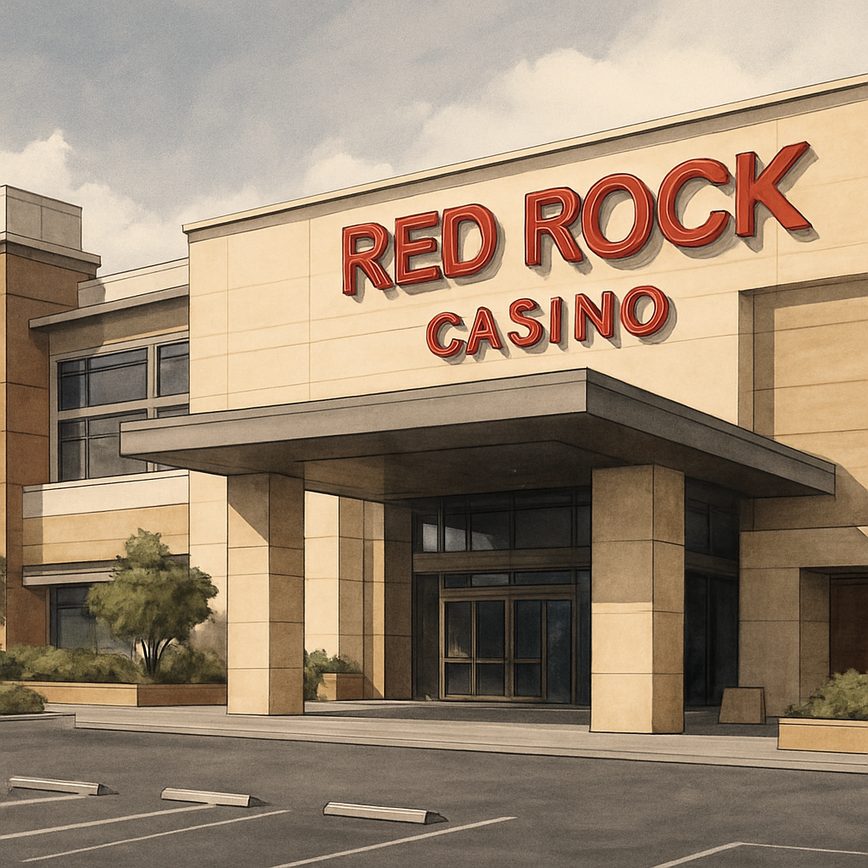
Overview of Dana White’s Alleged Debt to Red Rock Casino
The financial dispute between Dana White and Red Rock Casino has captured significant attention within the business and entertainment communities. Reports have emerged indicating that Dana White, a well-known figure in the sports and entertainment industry, allegedly owes Red Rock Casino a staggering $25 million. This alleged Dana White debt highlights a complex situation involving substantial amounts of money and legal implications.
The origins of the controversy trace back to investments and business dealings that Dana White reportedly had with Red Rock Casino. While specific terms of their agreement have not been publicly disclosed, sources suggest that the money owed is linked to financial arrangements or loans made by the casino to White. The substantial debt figure of $25 million emphasizes the seriousness of this dispute and raises questions about the underlying causes and potential resolution strategies.
Red Rock Casino, known for its robust presence in the gaming and hospitality industry, does not typically engage in financial disputes lightly. The key details surrounding this situation involve attempts from Red Rock Casino to recover the outstanding money owed by Dana White. This has led to a series of negotiations and possibly legal proceedings aimed at resolving the matter efficiently. The financial dispute has significant ramifications not only for the parties involved but also for associated business partners and stakeholders.
Experts observing the situation note that allegations of a $25 million debt in a high-profile case such as this can affect reputations and future business opportunities. As Dana White is a public figure, the media coverage surrounding his alleged debt to Red Rock Casino fuels further speculation and concern within financial and entertainment sectors. Both sides appear to be seeking a resolution, but the complexity of the financial dispute means that it may take some time before the matter is fully settled.
In summary, the alleged Dana White debt to Red Rock Casino involves a substantial sum of $25 million, tied to an ongoing financial dispute. The details, while not entirely public, suggest a challenging scenario for both parties. The evolving situation continues to be monitored closely by industry experts and the media, as it underscores the financial risks and complications that can arise in business dealings involving high-profile individuals.
Background of Dana White and Red Rock Casino Relationship
The business relationship between Dana White and Red Rock Casino has been shaped by a blend of strategic partnerships and financial ties that date back several years. Dana White, widely recognized for his influential role in the mixed martial arts world, brought significant attention and credibility to Red Rock Casino through their collaborative ventures. His background as a prominent figure in sports promotion and business development positioned him as a valuable partner for the casino’s growth ambitions.
Red Rock Casino, with a rich history as a premier gaming and entertainment destination, sought to leverage its partnership with Dana White to expand its market reach and appeal. The casino’s history of aligning with high-profile personalities helped solidify its reputation, and the alliance with White was no exception. Their collaborations extended beyond mere branding, involving financial arrangements that underscored a mutually beneficial relationship.
The financial ties between Dana White and Red Rock Casino were structured to support joint ventures and promotional activities that boosted both their profiles. These partnerships were marked by shared goals to enhance entertainment offerings and elevate the casino’s positioning in a competitive market. Prior to the debt report, this relationship was seen as a positive and growth-oriented alliance, reflecting Dana White’s strategic role in bolstering Red Rock Casino’s business operations.
Details of the $25 Million Debt Allegation
The reported $25 million debt involving Dana White and Red Rock Casino centers on significant financial allegations and legal claims raised by the casino. According to the details, this money owed stems from a complex series of transactions and agreements that White allegedly failed to fulfill. The debt details reveal a pattern of unpaid loans and unsettled financial commitments dating back several years. These accumulated funds include advances, investments, and other monetary engagements that the casino claims were integral to business operations and promotional activities.
Red Rock Casino’s legal claims point to breaches of contract and non-payment, causing financial strain and prompting the escalation to formal legal proceedings. The allegation suggests that Dana White’s side did not meet agreed payment schedules, despite numerous reminders and negotiations. This situation has led to ongoing disputes, with both parties presenting evidence to support their positions regarding the legitimacy and calculation of the debt.
Currently, the status of the debt remains in contention, with no clear resolution yet. However, the seriousness of the financial allegations indicates potential repercussions for Dana White if the claims are substantiated in court. The ongoing legal process aims to clarify the extent of the money owed and enforce appropriate remedies, highlighting the critical need for transparency and accountability in handling such significant financial disputes.
Potential Impact and Reactions to the Alleged Debt
The alleged $25 million debt reportedly owed by Dana White to Red Rock Casino has sparked considerable attention, leading to an in-depth impact analysis by industry insiders. For Dana White, this substantial financial obligation could affect his personal and professional reputation, potentially complicating future business dealings and partnerships. Although White is known for his resilience and strategic acumen, the financial strain might necessitate a reevaluation of his ventures and financial commitments moving forward.
From the perspective of Red Rock Casino, the situation presents both challenges and opportunities. The casino’s reaction to the alleged debt is crucial, as it balances the need to recover the owed funds with maintaining a positive relationship in the gaming and entertainment industry. Red Rock Casino’s approach to managing this claim could set a precedent for how similar disputes are handled, emphasizing the importance of transparency and negotiation in protecting their financial interests.
The broader industry implications of this debt are equally significant. Other casinos and entertainment entities are likely monitoring the developments closely, as the outcome could influence contract negotiations, credit arrangements, and enforcement of financial agreements within the sector. There is concern over how this event might alter the landscape of trust and collaboration in the gaming community, prompting stakeholders to reconsider their risk management strategies.
In response to this crisis, Dana White has issued statements aimed at clarifying his position and reassuring partners and fans alike. His response plays a critical role in shaping public perception and mitigating the potential damage to his brand. Meanwhile, Red Rock Casino has remained firm but measured in their public communications, signaling a readiness to pursue resolution but preferring to avoid escalating conflicts.
Ultimately, the ongoing situation highlights the delicate balance between financial accountability and reputation management in high-stakes industries like gambling and sports entertainment. Both Dana White and Red Rock Casino must navigate the repercussions carefully, as the industry watches closely to gauge how such high-profile financial disputes are resolved and what lessons can be drawn from them for future dealings.
Dana White’s Public and Legal Response
In response to the reports of the substantial debt owed to Red Rock Casino, Dana White has issued several public statements aimed at addressing the concerns surrounding the alleged $25 million obligation. White has firmly denied any wrongdoing, emphasizing that the figures being circulated are either exaggerated or misrepresented. His statements reflect a clear intent to manage the public reaction and maintain his professional reputation amidst the controversy.
Legally, Dana White has taken proactive steps to challenge the claims through his legal team, who have filed motions to dispute the debt’s validity and the terms under which it was supposedly incurred. This legal response highlights White’s commitment to resolving the matter through proper channels, disputing the casino’s assertions while seeking to protect his interests. White’s attorneys have publicly stated that they are confident in their evidence and plan to vigorously defend him.
The overall public reaction to White’s statements and actions has been mixed, with some supporters appreciating his transparency and others remaining skeptical. Regardless, White and his team appear focused on damage control, carefully crafting their communications to contain the situation and restore public confidence. His legal and public responses underscore a strategic approach to navigate what could otherwise severely impact his public image and business relations.
Red Rock Casino’s Position and Next Steps
Red Rock Casino has taken a firm stance regarding the outstanding debt, emphasizing their commitment to resolving the matter through proper legal proceedings. The casino’s official position underscores a readiness to cooperate fully with all involved parties while ensuring that their business operations remain unaffected during the process. They maintain that the debt situation will be handled with transparency and adherence to legal protocols, which reflects their dedication to responsible financial management.
In terms of the next steps, Red Rock Casino is reportedly exploring various measures to facilitate financial recovery efficiently. Among these measures are negotiations to restructure the debt, seeking possible settlements that could benefit both sides, and preparing for potential litigation if necessary. This strategy aligns with their broader business strategy to sustain long-term profitability and reputation in the industry while minimizing operational disruptions.
The casino’s approach to the Red Rock Casino stance highlights a balance between assertive defense of their interests and openness to finding mutually agreeable solutions. By focusing on legal proceedings and strategic financial recovery plans, Red Rock Casino aims to ensure that this issue does not hinder their ongoing growth or future business opportunities.
Broader Financial and Legal Context
The debt situation involving Dana White and Red Rock Casino is emblematic of a broader pattern observed in financial disputes within the casino industry, particularly those involving high-profile individuals. Financial disputes in this sector often arise due to the immense sums of money exchanged and the complex contractual relationships that underpin casino operations. Such disputes, ranging from unpaid debts to contested agreements, highlight the precarious balance between maintaining liquidity and fulfilling financial obligations in the gambling and entertainment industries.
Casino industry debt is a recurrent theme in financial news, with numerous cases involving celebrities and business moguls drawing significant public and media attention. The magnitude of White’s alleged $25 million debt underscores how high-stakes gambling environments can sometimes lead to significant credit extensions and complex debt arrangements. These situations often expose both parties to substantial financial risk and legal scrutiny, necessitating detailed examinations of contracts and payment terms.
From a legal standpoint, disputes like this raise critical implications. They often trigger protracted legal battles over debt recovery, enforceability of loan agreements, and interpretations of default conditions. The legal implications extend beyond simple debt repayment, occasionally influencing regulatory considerations and impacting reputations in the closely watched casino and entertainment fields. This case exemplifies how financial disagreements in these sectors can quickly escalate into multi-faceted legal challenges.
Comparisons can be drawn with other high-profile cases where celebrities and casino entities have clashed over substantial sums. For instance, past disputes have involved contractual breaches, unpaid gambling debts, or disagreements over promotional deals offered by casinos. These cases help contextualize Dana White’s situation within a landscape where financial disputes are not only common but also intricately tied to broader financial practices and legal frameworks within the casino industry.
Ultimately, the intersection of personal finance, celebrity status, and casino industry debt creates a challenging environment for dispute resolution. The legal machinery often serves as the critical avenue for addressing such conflicts, while the larger trends emphasize caution and thoroughness in financial dealings. As this case unfolds, it may provide further insight into how financial disputes involving high-profile figures in the casino world are managed and resolved, reinforcing the importance of clear agreements and risk management in this financially complex industry.
Common Financial Disputes in the Casino Industry
Financial disputes are a frequent challenge in the casino industry, often arising from unpaid casino debts, contract disagreements, and revenue sharing conflicts. Casinos, whether large or small, operate in a complex environment that requires meticulous financial management. When disputes over debts occur, parties involved may pursue negotiation, mediation, or, in more severe cases, legal battles to resolve their differences. These industry disputes typically involve creditors, customers, service providers, and sometimes regulatory bodies.
Legal battles in the casino sector can be particularly intricate due to the strict regulatory framework governing gaming operations. Casinos must comply with various state and federal laws, which can complicate dispute resolution. Many casinos attempt to settle financial challenges out of court to minimize negative publicity and operational disruption. Arbitration clauses are common in contracts to expedite dispute resolution, ensuring that issues such as unpaid debts or breach of agreements do not escalate into costly lawsuits.
Additionally, industry disputes often stem from misunderstandings over contractual terms or changes in financial conditions that affect payment obligations. Effective dispute resolution mechanisms typically involve thorough documentation, clear communication, and sometimes third-party intervention. Casinos that proactively manage their financial relationships and maintain transparency with stakeholders are better positioned to avoid prolonged legal conflicts and preserve their business reputation amidst the competitive market.
Legal Precedents Relevant to Financial Obligations
When examining the alleged $25 million debt Dana White reportedly owes Red Rock Casino, several legal precedents related to financial obligations law come into play. Courts often refer to prior rulings in debt resolution cases to determine the enforceability of large financial agreements and the obligations of the parties involved. For instance, court cases involving similar disputed debts provide frameworks for interpreting contract terms and assessing whether debts were legitimately accrued or subject to negotiation.
One relevant precedent is the principle that financial obligations must be clearly established through contracts or correspondence, ensuring that both parties acknowledge and agree to the terms. In scenarios where documentation is ambiguous or incomplete, courts look to prior judgments that emphasize the necessity of transparency and good faith in debt resolution. This means the resolution of Dana White’s alleged debt could hinge on the clarity and validity of the financial documents presented.
Additionally, legal precedents in cases of contested debts highlight the importance of timely dispute and responsiveness. Courts tend to favor settlements or rulings that prevent undue delay in debt repayment or negotiation processes. The accumulated rulings on such financial obligations law establish a detailed pathway for resolving disputes, including mediation, arbitration, or litigation as needed, all potentially influencing Dana White’s case.
In summary, examining relevant legal precedents and past court cases related to financial obligations offers critical insight into how Dana White’s situation might be resolved. These precedents underscore that documented evidence, adherence to contract laws, and proactive resolution efforts are vital factors in debt resolution outcomes.

I’ve been exploring online casinos for years, always on the lookout for the best bonuses and hidden gems. Writing reviews and guides lets me share the strategies I’ve honed and help fellow players make smarter choices.