
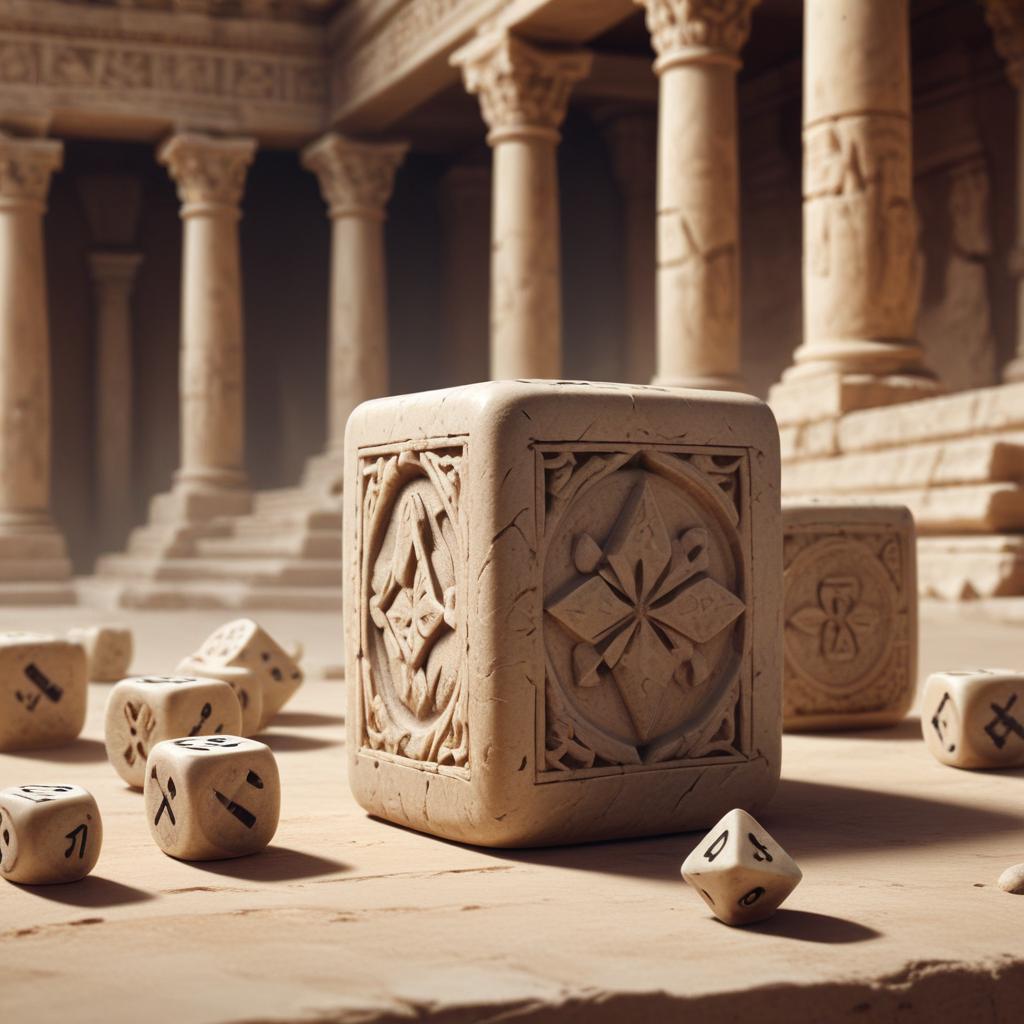
Ancient Origins of Gambling
The history of gambling is a fascinating journey that dates back thousands of years, revealing a rich tapestry of ancient gambling practices across various civilizations. The earliest evidence of gambling finds its roots in ancient cultures where people indulged in games of chance as a form of entertainment, social interaction, and even religious ritual. These early games and betting activities were instrumental in shaping the history of gambling as we understand it today.
One of the earliest tangible artifacts linked to ancient gambling is the dice. Archaeologists have uncovered dice made from bones, ivory, and stones dated back to as early as 3000 BCE in Mesopotamia. These dice were not only tools for playful wagers but also objects steeped in symbolic and spiritual meaning, believed to predict fate or divine will. The use of dice spread through various ancient civilizations, including Egypt, China, and India, highlighting the universal appeal of chance-based gaming.
Betting was among the most common forms of ancient gambling. Historical records indicate that individuals placed bets on sporting events, contests, and animal fights. For example, in ancient Rome, betting on gladiator matches and chariot races was widespread and deeply embedded in the culture. Similarly, in ancient China, betting on early forms of lottery games and dice contests was commonplace, illustrating how gambling was closely intertwined with daily life and entertainment.
Beyond dice and betting, early gaming culture also encompassed board games with elements of luck and strategy that served as precursors to modern casino games. Games such as Senet in ancient Egypt—a game played over 5,000 years ago—combined chance with skill and were often linked with spiritual beliefs about the afterlife. These early games reflected the complex relationship humans developed with risk and reward, a cornerstone theme throughout the history of gambling.
The spread of ancient gambling practices was shaped by trade routes and cultural exchanges, allowing diverse games and betting styles to evolve and merge. This cross-pollination led to a more sophisticated gaming culture that would eventually influence gambling traditions seen in medieval and modern times. Understanding these ancient origins provides valuable insight into how early games laid the foundation for contemporary gambling, including today’s popular online casinos.
Gambling in Ancient Egypt and Mesopotamia
Gambling in ancient Egypt and Mesopotamia traces back thousands of years, revealing early betting activities embedded within the fabric of their societies. In Egypt gambling took various forms, including dice games and board games, which were often played during social gatherings and religious festivals. Archaeologists have discovered dice and game boards in tombs, indicating that Egypt gambling was not only a pastime but also held symbolic and superstitious significance connected to fate and divine favor. These activities were not restricted to any social class, suggesting that gambling served as a communal activity bridging different societal groups.
Similarly, Mesopotamia was a fertile ground for Mesopotamia games involving chance and skill. Clay tablets dating back to 3000 BCE illustrate rules for betting games, and references to wagers can be found in ancient legal texts. Early betting in Mesopotamia often accompanied religious ceremonies and celebrations, functioning both as entertainment and a way to resolve disputes or distribute wealth. This integration of gambling into daily life and ritual holds evidence of its social significance, where the outcome was sometimes seen as an expression of divine will.
The presence of gambling in these ancient civilizations highlights its long-standing cultural importance. Egypt gambling and Mesopotamia games fostered communal interaction, spiritual beliefs, and economic exchanges, forming an essential part of early social structures. These origins laid foundational customs that evolved over millennia into the diverse gambling practices enjoyed worldwide today.
Gambling in Ancient China and Rome
China gambling history dates back thousands of years, with some of the earliest records showing that the Chinese engaged in games of chance during the Shang Dynasty. One popular form involved simple dice games and betting competitions, often linked with social and religious activities. Ancient Chinese texts also describe a proto-lottery system called “keno”, which allegedly helped fund major infrastructure projects like the Great Wall. Gambling was seen both as entertainment and a way for people to test their luck and strategy. Despite its popularity, gambling faced periodic crackdowns by imperial authorities who viewed it as a potential cause of social disorder. These legal restrictions varied over different dynasties but typically aimed to control excessive gambling and limit the influence of gambling houses.
In the Roman Empire, Roman gambling was deeply integrated into the culture during the classical era. Romans enjoyed dice games, betting on gladiator fights, and wagering on chariot races. Games like “alea,” a dice game similar to modern craps, were especially popular. Despite its widespread appeal, gambling was paradoxically both accepted and regulated. Roman laws prohibited excessive gambling among citizens and capped the stakes to prevent financial ruin. However, enforcement was inconsistent, and gambling thrived in both public venues and private homes. Classical era games often blended gambling with social and religious events, reflecting how gambling was entrenched but carefully controlled in Roman society.
Gambling Evolution Through the Middle Ages and Renaissance
The history of gambling during the Middle Ages and Renaissance period in Europe reflects a fascinating transition marked by both cultural shifts and evolving regulations. Medieval gambling was deeply interwoven with social and economic life, despite attempts by authorities to curb its influence. Throughout this era, various forms of gambling became popular, showcasing a vibrant gambling evolution that laid the groundwork for many modern games.
During the medieval period, gambling was widespread but heavily regulated, often forbidden or condemned by religious and royal authorities. Despite such restrictions, games like dice and card games thrived. Dice games were among the earliest and most accessible forms of gambling, played by peasants and nobility alike. The medieval gambling scene included betting on horse races, contests, and even dice-based games like Hazard, which would later influence the popular game of Craps.
The Renaissance brought renewed interest in leisure activities and intellectual pursuits, which helped to further develop and refine gambling games. The rise of the printing press facilitated the spread of playing cards, initially introduced in the late medieval period, making card games a central element of gambling evolution during the Renaissance. Games such as Primero, a card game involving bluffing and betting, rose to prominence among European aristocracy. These games were often played in social clubs and courts, blending entertainment with high-stakes gambling.
While gambling was popular, it faced ongoing scrutiny from governments and the church. Various regulations were introduced to control gambling’s social impact. For example, in England, laws intermittently banned or taxed gambling activities, aiming to limit excessive play especially among the lower classes. In some regions, royal lotteries were established to raise public funds, which also formalized gambling within legal parameters. These regulatory measures highlight how gambling evolution mirrored broader social and economic changes of the time.
Moreover, games of chance and skill flourished alongside the increasing sophistication of gambling rules, which reflected the Renaissance ideal of combining strategy with luck. This period’s gambling culture contributed significantly to the eventual establishment of casinos and gambling houses in later centuries. By integrating social interaction, entertainment, and risk, medieval gambling and renaissance games underscore a key phase in the historical evolution of gambling that resonates to this day.
Medieval European Gambling Traditions
Medieval gambling in Europe was an integral part of social life, with practices deeply embedded in the culture despite recurring attempts at regulation. Dice games were among the most popular forms of medieval gambling, serving not only as simple entertainment but also as a symbol of chance and fate. European dice games from this period often involved intricate betting systems, reflecting an early chapter in the betting history of the continent. Cards also began to appear in the late Middle Ages, gradually gaining popularity and evolving into a widespread pastime.
The era’s gambling activities were profoundly influenced by both secular authorities and the Church. Ecclesiastical opposition to gambling was strong, often condemning it as a sin due to the association with greed and moral decay. Various church councils issued bans on gambling, urging followers to avoid such activities. Governments, meanwhile, oscillated between tolerating and prohibiting gambling. Some monarchs saw gambling as a necessary social outlet and source of revenue through taxation, while others outlawed it in an effort to curb vice and maintain public order.
Despite these constraints, medieval gambling persisted in taverns, fairs, and private gatherings, knitting itself into the fabric of daily life. The interplay between popular enthusiasm and institutional repression highlights the complexity of medieval gambling traditions. European dice games and the burgeoning use of cards laid foundational stones for the betting history that would expand dramatically in later centuries, setting the stage for the rich variety of gambling practices that continue today.
Renaissance and the Rise of Gambling Halls
The Renaissance period marked a pivotal era in the evolution of gambling, witnessing the emergence of structured gambling venues known as gambling halls. This era, spanning roughly the 14th to 17th centuries, shifted gambling from informal, often clandestine activities to more organized settings where games could be played with defined rules and oversight. The growth of cities and the flourishing of trade created wealth and leisure time which fueled demand for entertainment, including gambling.
During this time, renaissance gambling became increasingly sophisticated. The introduction and popularization of card games, many of which originated from earlier Middle Eastern designs, contributed prominently to this transformation. Cards were more portable and accessible compared to dice or betting on sports, allowing a wider variety of play styles and increasing gambling’s appeal across different social classes.
Gambling halls sprang up in major European cities as dedicated spaces where gamblers could gather to participate in various games, from card play to dice and betting on horse races or other events. These venues often featured a regulated environment, sometimes under royal or noble patronage, which helped reduce cheating and increased trust among players. The social aspect of these halls made them popular hubs of urban life during the Renaissance.
Card games such as Primero, Piquet, and later the early forms of Poker and Blackjack gained popularity in gambling halls, setting the foundations for the card game traditions known today. The Renaissance period’s innovations in game design and gambling environment management played a crucial role in shaping modern gambling culture.
Modern Gambling and the Online Casino Era
The landscape of gambling has evolved dramatically over the past few decades, leading to what we now refer to as modern gambling. The era of traditional casinos bustling with physical tables and slot machines has steadily transitioned into a digital frontier dominated by online casinos and electronic gaming platforms. This shift has been fueled by rapid advancements in technology and the increasing accessibility of the internet, which together have transformed how people engage with gambling worldwide.
Online casinos have become the cornerstone of modern gambling, offering players the convenience of betting from virtually anywhere at any time. These platforms replicate the thrill of traditional gambling but without the geographical constraints. From virtual poker rooms and roulette wheels to live dealer games and innovative slot titles, online casinos provide a vast array of options powered by sophisticated software. The use of random number generators (RNGs) ensures fairness and unpredictability, addressing concerns that were once prevalent in early electronic betting systems.
The technological backbone of digital betting involves secure encryption protocols, mobile-friendly interfaces, and seamless payment gateways, which have all contributed to boosting user confidence and participation rates. Mobile technology, in particular, has played a critical role, enabling gamblers to access their favorite online casino games on smartphones and tablets, creating an anytime, anywhere gaming experience. Augmented reality and virtual reality are now also being explored to provide even more immersive experiences in the near future.
Alongside these technological advancements, regulatory frameworks have evolved to manage the complexities of online gambling. Governments and independent regulatory bodies have implemented licensing systems and compliance standards to protect consumers and ensure the integrity of online casinos. These regulations focus on responsible gambling practices, prevention of underage betting, anti-money laundering measures, and transparency in game operations. The development of strict guidelines has been essential in legitimizing online gambling as a safe and trustworthy entertainment option.
The interplay between cutting-edge technology and comprehensive regulation has shaped the modern gambling industry into a sophisticated ecosystem. As digital betting continues to expand globally, online casinos stand out as the primary platform where this evolution is most evident. The convenience, variety, and security they offer have revolutionized gambling, making it accessible to a wider audience than ever before and marking a significant departure from historic gambling practices.
Development of Land-Based Casinos
The 20th century marked a pivotal era in casino history, with the rise of land-based gambling establishments that transformed gaming into a mainstream entertainment industry. Central to this development was Las Vegas, Nevada, which emerged as the iconic hub for casino culture. The legalization of gambling in Nevada in 1931 laid the foundation for the rapid growth of casinos, attracting entrepreneurs, tourists, and gamblers alike.
Las Vegas’ transformation from a modest desert town to a glittering city of lights illustrated the potential of land-based gambling as a commercial enterprise. Starting with small roadside casinos and expanding into massive resorts featuring lavish entertainment, dining, and accommodation options, the city redefined the gambling experience. Vegas became synonymous with excitement, luxury, and high stakes, influencing the global perception of casinos.
The success of Las Vegas inspired other regions to develop their own casino markets, contributing to the expansion of land-based gambling across the United States and beyond. This growth helped shape gambling culture by embedding casinos into popular media, fashion, and social life. Moreover, casinos began adopting more sophisticated regulatory frameworks, ensuring fair play while boosting economic contributions through tourism and employment.
Overall, the 20th century’s development of land-based casinos, led by Las Vegas, played a crucial role in popularizing gambling worldwide. This era showcased how casinos could evolve from niche operations into comprehensive entertainment destinations, thus cementing casino history as a key chapter in the story of leisure and gaming.
Rise of Online Casinos and Digital Gambling
The emergence of online gambling has revolutionized the way people engage with traditional betting activities. With the advent of the internet in the late 20th century, internet casinos began to gain traction, allowing players to access their favorite games from the comfort of their own homes. This shift marked a significant milestone in the digital betting industry, as it broke geographical barriers and introduced a new level of convenience and accessibility for gambling enthusiasts worldwide.
As broadband connections and smartphone technologies advanced, the rise of mobile and digital gambling platforms accelerated rapidly. Online casinos evolved from simple web-based games to sophisticated platforms offering live dealer games, virtual slot machines, and a wide variety of betting options. These platforms leveraged mobile apps and responsive website designs, enabling users to gamble anytime and anywhere, which fueled the exponential growth of the online gambling sector.
The digital betting industry today is a dynamic and highly competitive space, continuously innovating to improve user experience through secure payment methods, immersive gaming environments, and personalized promotions. The accessibility and variety provided by internet casinos have fundamentally transformed gambling into a 24/7 global entertainment activity, attracting millions of players. This ongoing trend underscores how technology and digital platforms continue to shape the future of gambling worldwide.