
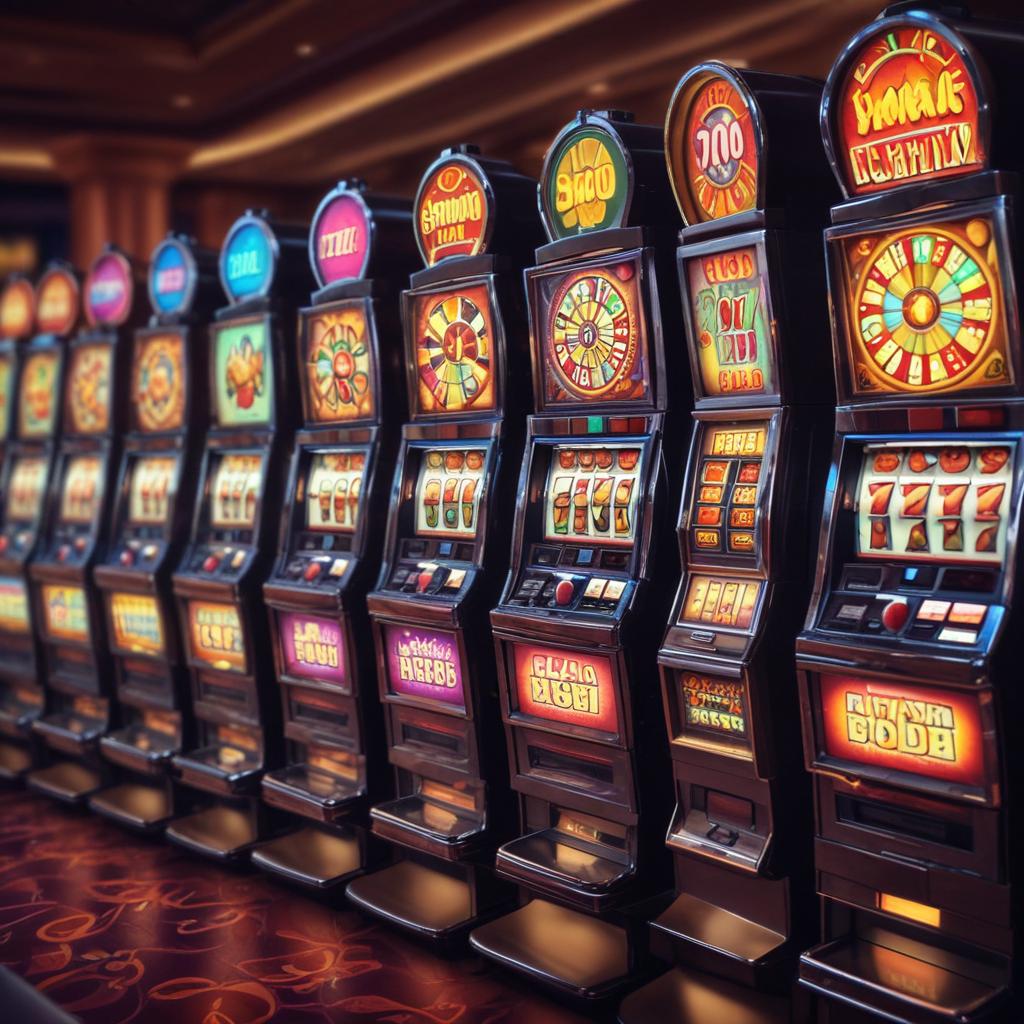
What Is RNG and Why It Matters in Slot Machines
When you play slot machines, you might wonder how the outcome of each spin is decided. The answer lies in something called an RNG, which stands for Random Number Generator. This technology is at the heart of every modern slot machine, ensuring that the game remains unpredictable and fair for all players.
RNG is a computer program that produces numbers completely at random, many times per second. Each number corresponds to a different outcome, like a specific symbol lighting up on the reels of the slot machine. When you press the spin button, the RNG instantly picks one of these random numbers, deciding what the result will be. Because these numbers are generated without any pattern or bias, every spin has an equal chance of winning or losing.
Understanding RNG is important because it guarantees game fairness. Slot machines aren’t designed to cheat players—instead, the RNG ensures that the results are entirely unpredictable and not controlled by anyone. This randomness is what makes slot machines exciting, as each spin could lead to a win, no matter what happened before.
Since the outcome is based on the RNG’s random numbers, no one can predict or influence the results, which protects both the players and the casino. Regulatory agencies regularly test and certify the RNG software in slot machines to confirm that it works correctly and maintains fair play. This adds an extra layer of security and trustworthiness to the gaming experience.
In summary, the random number generator is the essential engine behind every slot machine. Its ability to produce unbiased, random numbers ensures that every spin is unique and fair. Whether you’re playing in a casino or online, understanding the role of RNG can help you feel confident that the game is honest and operates with integrity.
How RNG Works in Slots
The RNG mechanism is at the core of every slot machine, ensuring that each spin produces completely random results. RNG stands for Random Number Generator, which is a computer algorithm designed to generate vast sequences of numbers that have no predictable pattern. This means the outcomes you see on the reels are entirely based on these random numbers, making every spin independent of the last.
Here’s a simple way to understand how the RNG mechanism governs slot outcomes: The RNG continuously cycles through thousands of numbers every second, even when the machine is not being played. When you press the spin button, the RNG stops on a specific number, and this number is then converted into a slot outcome based on pre-determined settings, such as reel positions and symbols. Because the generated number is random, the final slot outcome is also random and fair.
Importantly, the RNG ensures that no one can predict or influence the slot outcomes. The results are not influenced by previous spins or any external factors, which keeps the game fair and unpredictable. This process happens in a fraction of a second, so the random results you experience are instant and continuously reliable.
In summary, the RNG mechanism takes a complex technical process and transforms it into random slot outcomes in real time, giving players an exciting and fair gaming experience with every spin.
Difference Between RNG and Physical Randomness
When discussing slot fairness, it’s important to understand the difference between digital randomness generated by RNGs (Random Number Generators) and physical randomness found in real-world phenomena. Physical randomness comes from unpredictable natural events, like the roll of dice or the spin of a roulette wheel. These events are affected by countless tiny factors—such as air resistance or exact throw angle—that make outcomes difficult to predict and simulate perfectly.
On the other hand, RNGs produce digital randomness through complex algorithms running inside the slot machine’s software. Although it might sound less “natural,” this digital randomness is actually incredibly reliable and carefully designed to mimic true randomness. Modern RNGs use mathematical formulas and seed values to generate sequences of numbers that appear completely random, with no discernible patterns or biases.
The key to RNG reliability lies in strict regulatory testing and certification. Independent organizations regularly evaluate the software to ensure that RNG outputs are unbiased and unpredictable over the long term. This stringent testing reassures players that slot machines using RNGs deliver fair results every time, maintaining the integrity of the game.
In summary, while RNG-generated digital randomness differs from physical randomness in its source, it remains just as effective for preserving slot fairness. The controlled environment of digital randomness allows for precise regulation and auditing—something physical randomness can’t guarantee with the same consistency. This makes RNGs a trusted backbone for fair and enjoyable slot gameplay.
How Random Are Slot Machines Really?
When it comes to slot machines, the question of slot randomness is crucial for players who want to understand just how unpredictable their gameplay can be. At the core of every modern slot machine is a Random Number Generator (RNG), a computer algorithm designed to produce sequences of numbers that determine the outcome of each spin. This technology aims to ensure fair gaming by making the results as random and independent as possible. However, while RNGs do provide a high level of randomness, there are limits and factors that affect the outcome unpredictability within gameplay.
The RNG works by generating thousands of numbers every second, even when the slot machine isn’t being played. When a player hits the spin button, the machine picks a number from this sequence to decide the position of the reels and, ultimately, the outcome. This mechanism is crafted to minimize any pattern or predictability, which promotes fair gaming and ensures that each spin’s result is independent from previous spins. Despite this, some may wonder if the results are truly random or if external factors influence the outcomes.
In reality, the randomness provided by the RNG is considered highly reliable within the context of slot machines. Regulatory bodies and independent testing agencies rigorously evaluate and certify these systems to confirm their compliance with industry standards. These evaluations help maintain the integrity of the slot machines, assuring players that the outcomes are not manipulated. However, it is essential to understand that RNGs are algorithms, and although they produce what is called “pseudo-random” numbers, these patterns are practically unpredictable and regular enough to guarantee fairness.
Despite their reliability, RNGs do have inherent limits. For instance, since the numbers are generated by software, they rely on initial “seeds” that influence their sequence. In an ideal setup for slot machines, these seeds are derived from constantly changing variables such as system time, which ensures unpredictability. Additionally, slot game results are often subject to programmed payout percentages, so the randomness of individual spins is balanced by long-term statistical fairness over millions of plays.
In summary, slot machines use RNG technology that offers dependable randomness and enhances fair gaming, making the outcome unpredictability for players as genuine as current technology allows. While no system can guarantee absolute randomness, the clever design and strict regulation of RNGs ensure a trustworthy gaming experience that balances chance with fairness.
Regulations and Testing of RNGs
Gaming regulation plays a crucial role in maintaining trust and fairness in the world of slot machines. Regulatory bodies oversee the entire process to ensure that the Random Number Generators (RNGs) used in these machines operate without bias or manipulation. These organizations set strict standards and guidelines that developers and casinos must follow in order to legally offer their games to players.
One of the primary ways regulators guarantee fair slot machine behavior is through RNG testing. Independent testing labs rigorously examine the RNG software to confirm that the random sequences it produces meet statistical fairness requirements. This testing involves running extensive simulations to analyze outcome patterns and verify that the results fall within expected probability ranges. By doing so, regulators ensure that every spin on the machine is genuinely random and that no player or operator has an unfair advantage.
After thorough evaluation, regulators issue fairness certifications to RNGs that pass all criteria. These certifications serve as an official endorsement that the RNG meets the highest standards for randomness and impartiality. For players, this means the slot machines they use are regularly monitored and tested to maintain integrity. In essence, gaming regulation, along with careful RNG testing and fairness certification, plays a key role in protecting players and upholding the credibility of the gaming industry worldwide.
Common Misconceptions About Slot Randomness
Many players hold onto slot myths that cloud their understanding of how randomness really works in slot machines. A common randomness misconception is the belief that a machine is “due” for a win after a long losing streak. In reality, each spin is independent, thanks to the random number generator (RNG) inside every slot machine, which ensures outcomes aren’t influenced by previous results.
Another player belief is that the time of day or the amount of money inserted affects the chances of winning. However, RNGs operate continuously and generate results unpredictably, meaning external factors like timing or bet size don’t change the odds. This debunks the slot myth that you can “game the system” by waiting or increasing bets at certain moments.
Some players also think that older machines or certain casinos pay out better, but randomness misconceptions make them overlook that the payout percentage is set by the game provider and regulatory bodies, not random chance. The randomness of slots means all spins are fair and unbiased, ultimately governed by mathematical probabilities instead of superstition or player beliefs.
Understanding and dismissing these slot myths helps players enjoy the game responsibly, recognizing that luck isn’t predictable and every spin is a fresh chance generated by the RNG’s unbiased randomness.
Tips for Players: Understanding and Trusting RNG Slots
For many players, the biggest question when it comes to slot machines is “How random are they really?” Understanding the role of the Random Number Generator (RNG) can boost your confidence and make your playing experience more enjoyable. Here are some practical player tips to help you build trust in RNG slots and promote safe gambling habits.
First, it’s essential to recognize that reputable online and land-based casinos use RNG software that undergoes rigorous testing by independent auditors. These organizations certify that the outcomes are genuinely random, ensuring fairness. Knowing this can help you develop slot trust and feel confident that no external manipulation affects your chances.
Next, spend some time learning how RNGs work in simple terms. RNGs generate thousands of number combinations every second, even when the slot isn’t being played. When you hit the spin button, the software picks the current number, which determines your result. This process is instantaneous and unpredictable, which means every spin is independent. This understanding can improve your RNG confidence and dispel myths about patterns or “due” wins.
To maintain safe gambling practices, set a clear budget before you start playing, and never exceed it. Remember that slots are games of chance and are designed primarily for entertainment. Don’t chase losses or rely on systems that promise guaranteed wins. Instead, focus on enjoying the gameplay and the thrill of randomness generated by the RNG.
Additionally, choose games from reputable software providers and licensed casinos to ensure the RNG has been properly tested and certified. Look for seals of approval or licenses displayed on the casino’s website, which signify trustworthiness. This selection process is a crucial player tip to ensure your gaming experience is transparent and fair.
Finally, remember that trusting the RNG goes hand in hand with responsible play. Take breaks, know when to stop, and treat slot games as fun rather than a way to make money. By combining these player tips with an understanding of how RNG works, you can enhance your enjoyment while playing, maintaining confidence in the fairness of every spin.
How to Identify Legitimate RNG Slot Machines
When playing slot machines, it’s essential to ensure you are engaging with legitimate slots that use a verified RNG (Random Number Generator). A verified RNG guarantees that each spin’s outcome is genuinely random and fair, protecting players from manipulated results and unfair advantages. To spot these trustworthy slot machines, always look for certifications from reputable testing agencies such as eCOGRA, iTech Labs, or GLI. These organizations audit RNG software to maintain fairness standards.
In addition to checking for RNG verification, choosing trusted casinos is a crucial step. Trusted casinos, whether online or land-based, operate under strict regulations issued by recognized gambling authorities like the UK Gambling Commission, Malta Gaming Authority, or Nevada Gaming Control Board. These licenses ensure that the casinos adhere to fairness, security, and responsible gaming practices, giving players confidence in their gaming experience.
For online players, verify that the casino displays its licensing information clearly, along with details about RNG testing and certifications. Avoid sites lacking transparency or with limited information about their game fairness. For land-based casinos, confirm that the machines have undergone routine inspections by gaming regulators and that the venue is duly licensed. Always use review sites and player forums to assess a casino’s reputation before depositing funds.
By prioritizing legitimate slots with verified RNGs and choosing trusted casinos, you can enjoy slot gaming with peace of mind, knowing the outcomes are random and the environment is safe. This ensures a fair chance at winning and a more enjoyable experience overall.
Managing Expectations When Playing Slots
| Aspect | Explanation | Tip for Responsible Gaming |
|---|---|---|
| Outcome Control | Slot machines use a Random Number Generator (RNG) to determine every spin’s result independently. This means no player or strategy can influence or predict the next outcome. | Accept that you cannot control the results. Focus on enjoying the gameplay rather than trying to win every time. |
| Unpredictability | The RNG ensures each spin’s outcome is random and unrelated to previous spins. This randomness makes it impossible to apply a guaranteed slot strategy. | Avoid chasing losses or believing in “hot streaks.” Understand that randomness means wins and losses are part of the experience. |
| Managing Expectations | Due to randomness, wins cannot be promised or expected regularly. Setting realistic expectations helps prevent frustration and gambling-related harm. | Set a budget and time limit before playing. Play slots for entertainment, not as a way to make money. |
| Slot Strategy | While no strategy changes outcomes, choosing games with favorable return-to-player (RTP) rates or bonus features can enhance enjoyment. | Develop a personal approach focused on fun and budget management, not on controlling the machine. |